DESIGN SYSTEMS
•
ENTERPRISE UX LEADERSHIP
•
CROSS-FUNCTIONAL EXECUTION
•
PRODUCT STRATEGY
•
AI-ENABLED PRODUCT DESIGN
•
DESIGN SYSTEMS
•
CROSS-FUNCTIONAL EXECUTION
•
PRODUCT STRATEGY
•
ENTERPRISE UX LEADERSHIP
•
AI-ENABLED PRODUCT DESIGN
•
PRODUCT STRATEGY & DESIGN LEADERSHIP

PROBLEM TO SOLVE
Buying paint is not a single product decision. Customers must choose a color, brand, product line, use location, sheen, container size, quantity, and fulfillment method—while trying to imagine how the final color will look in their home.
Previously, Lowe’s customers could only order white paint or primer online. Anyone who wanted a custom color had to visit a store, creating a major break between online inspiration and purchase.
We created an end-to-end experience that helped customers explore color, visualize it in a real space, configure a compatible product, and order custom-tinted paint online.
MY ROLE
Sr. Product Designer
TEAM
1 Researcher
TIMELINE
4.5 months
IMPACT
10x Online Orders
Stakeholder comment:
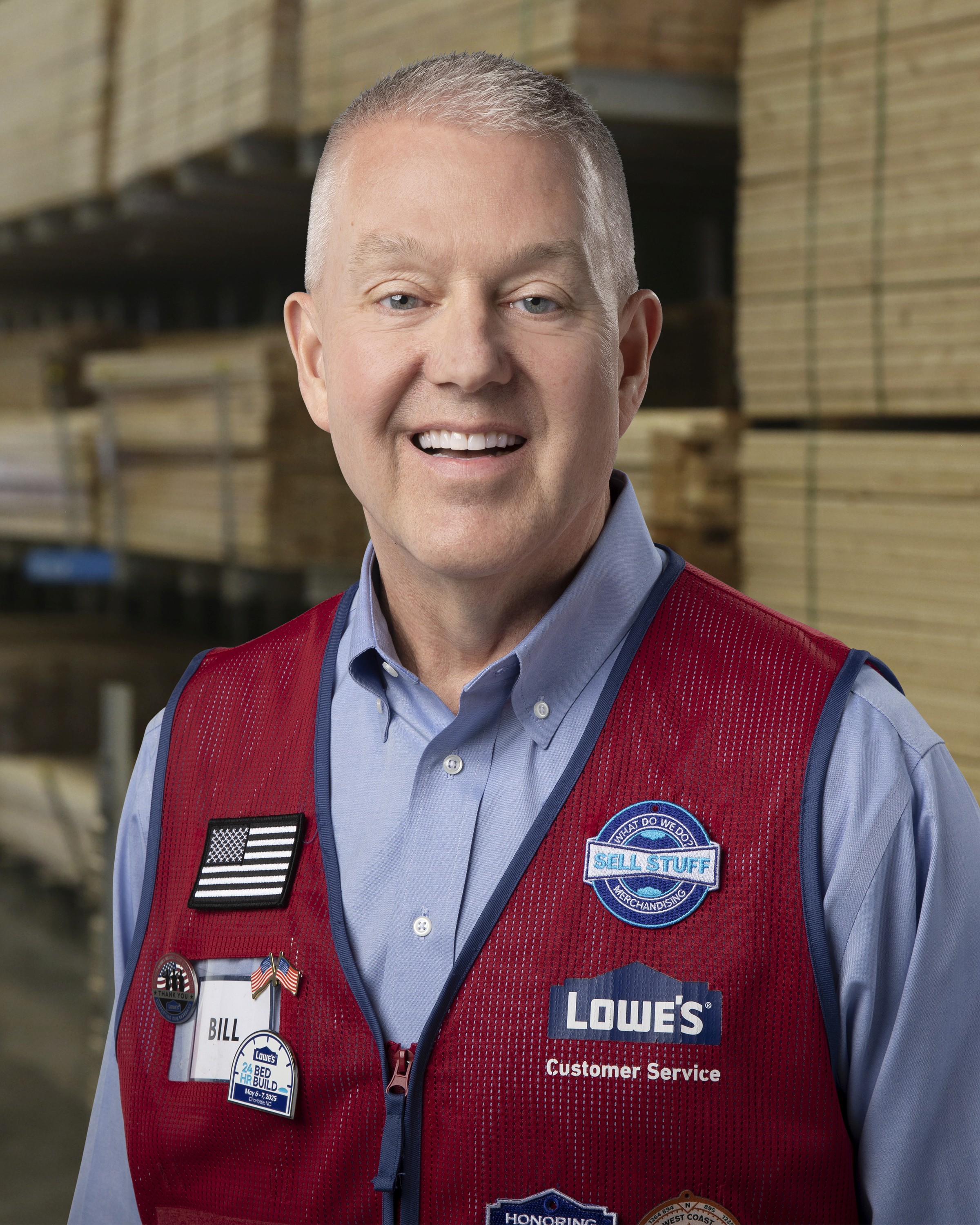
BILL BOLTZ, EXECUTIVE VP, MERCHANDISING
CONSTRAINTS
Paint behaves more like a configured system than a traditional retail item. Every choice affects what comes next. A color may be available across several brands and product lines, but not every sheen or container size is compatible with every base. Availability, pricing, and fulfillment also vary by location.
The experience had to manage that complexity without making customers understand Lowe’s product data or paint-mixing logic.
At the same time, color is emotional and highly visual. Customers needed more than filters and swatches. They needed inspiration, a clear entry point, and enough confidence to imagine a color in their own space before committing to a purchase.
The challenge was to connect two very different modes of shopping:
Explore: Find inspiration, browse colors, and visualize a space.
Configure: Turn a chosen color into a valid, purchasable paint product.
CROSS-FUNCTIONAL SYSTEM, NOT A STANDALONE PAGE
This work connected merchandising, product data, visualization, configuration, pricing, inventory, fulfillment, and store paint-mixing operations. I led the experience strategy and design direction, aligning partners around a shared customer journey from inspiration through checkout.
LEAD DESIGNER
Experience strategy, design direction, alignment, and delivery
RESEARCHER
Customer behavior, concept validation, usability report
PAINT SMEs
Assortment logic, compatibility rules, and operational expertise

ERIC DAVIS, LEAD PRODUCT DESIGNER
FROM IN-STORE DEPENDENCE TO END-TO-END COMMERCE
01 A CLEAR ENTRY POINT

Need specifications and capabilities forefront to help differentiate between similar models. Also, needed a way to see comparable models for less.
02 VISUAL CONFIDENCE

Need very little information to make purchase decision. Price and fulfillment speed are primary driving factors.
03 GUIDED CONFIGURATION

Visuals are more important than specifications. Need ability to visualize it in their space. Need to see complimentary items to finish room or project.
04 CONTEXTUAL EDUCATION

Need some specifications, such as durability and stain resistance. Wanted a project estimator tool to help measure space and determine final project cost.
05 A REVEIWABLE CUSTOM PRODUCT

Customers in store don't need a fully loaded PDP. They're looking for aisle/bay, some addition specs and info. Page performance is a big factor.
06 SCALABLE FRAMEWORK

We tracked a variety of other purchasing and browsing behaviors to determine what information or layout was important to each user.
ONE FRAMEWORK. MANY COMPLEX PRODUCTS.
01 PAINT
Guide customers from inspiration and visualization through color, brand, product, sheen, size, quantity, and fulfillment.
02 BLINDS
Translate measurements, mount type, material, color, lift options, and room needs into a valid custom order.
03 FENCING

Support project-based decisions involving material, style, dimensions, components, and quantity.
04 WINDOWS

Manage dimensions, operating style, materials, glass, efficiency, and installation-related choices.
05 SHEDS

Help customers through style, dimensions, features and installation.
Customers were no longer limited to white or primer, and they no longer had to abandon the digital journey to complete a custom-color order in a store.
The result was a 10x increase in online paint orders.
WHAT THIS WORK DEMONSTRATED
Complexity belongs in the system, not on the customer.
The breakthrough was not reducing the number of decisions. Customers still needed to make the choices required to create a valid custom product. The design challenge was to reveal those decisions in the right order, explain them in context, and ensure every path produced something Lowe’s could actually sell and fulfill.
This project demonstrated how I lead across experience strategy, interaction design, product rules, operational constraints, and platform thinking. The 10× growth proved the customer and business value. Reuse across fencing, blinds, and windows proved the system could scale.
What I learned:
Configuration experiences work best when design and engineering model the decision logic together from the beginning. Mapping dependencies early gave the team a shared language for discussing customer needs, product rules, error prevention, and technical feasibility.
If I revisited the work, I would establish the cross-category governance model earlier—defining which patterns were fixed, which could flex, and how new product teams would contribute improvements back to the shared framework.
Business Partner comment:

DAVENA SCHULTZ, DIRECTOR OF PRODUCT MANAGEMENT
OTHER CASE STUDIES

UX / PRODUCT DESIGN
Building a scaleable system to allow merchandisers to create curated customer experiences based on contextual, category, and customer behavior signals.
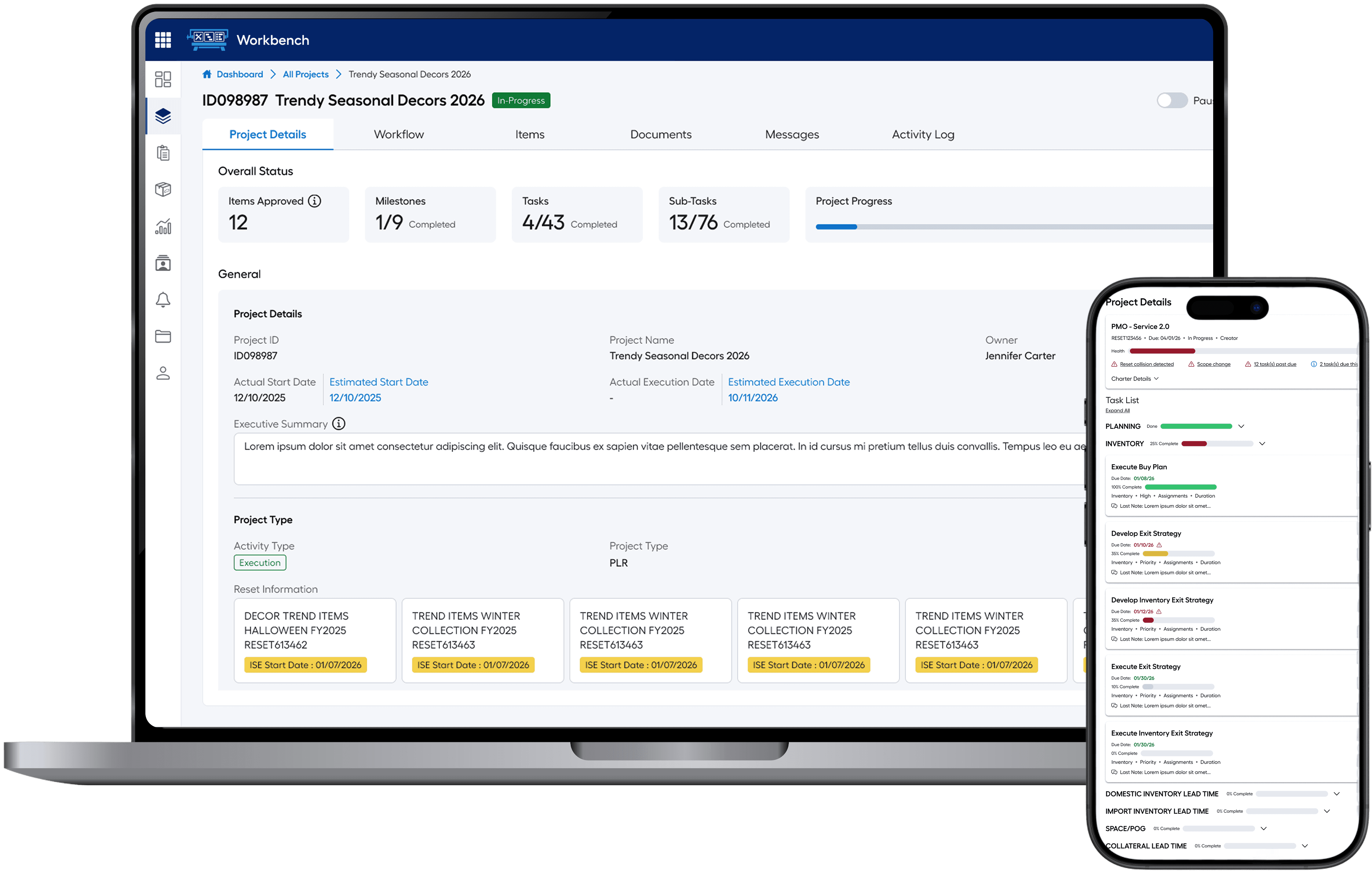
UX / PRODUCT DESIGN
A ground up tool for merchants and project managers to implement, schedule and track merchandising projects getting completed across 1000s of stores.

© 2026 ERIC DAVIS DESIGNS